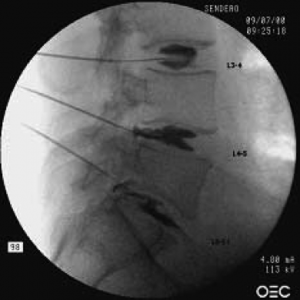
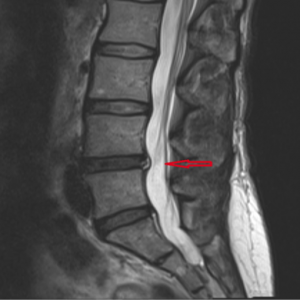
Degenerative disc disease is not a disease but the gradual loss of height, water content and cushioning in the spinal discs as they age. Many people have it without symptoms. When it causes pain, the pain typically worsens with sitting, bending forward, coughing or standing for long periods, and it can spread into the leg when a degenerated disc narrows the space around a nerve root. Diagnosis combines the symptom pattern with imaging, since imaging alone overstates the problem. Care progresses from therapy and medication to epidural or facet injections, then endoscopic decompression for persistent nerve compression. Spine Institute of North America (Spine INA) in East Brunswick, New Jersey evaluates degenerative disc pain.
As you get older, the structure of your spine changes gradually, especially around the intervertebral discs. These changes can result in degenerative disc disease, when pain in the back occurs because of vertebral discs that have been damaged or have started to prematurely deteriorate. When degenerative disc disease first occurs, the patient might not experience many symptoms. As the problems progress though, the patient will generally suffer severe back pain that requires the intervention of a spine doctor and can even spread into the leg. There are a number of physical activities that can make the chronic pain of degenerative disc disease worse, including:
- Sitting
- Bending forward
- Coughing
- Sneezing
- Standing
- Walking
This is because of the pressure these physical activities place on the discs. Patients suffering from degenerative disc disease may require the intervention of a spine doctor to stop or reverse the deterioration as well as pain management techniques to help them cope with symptoms.