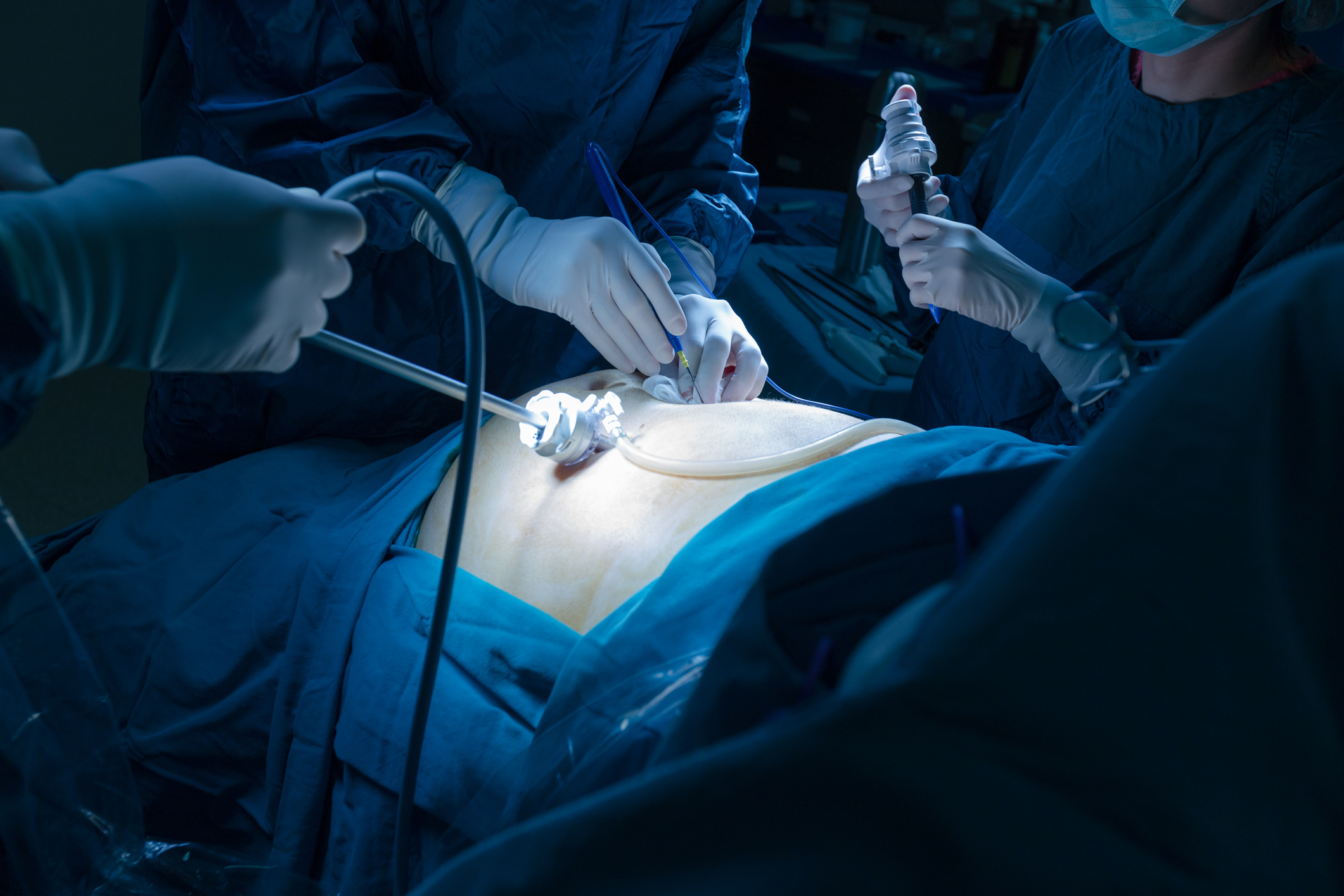
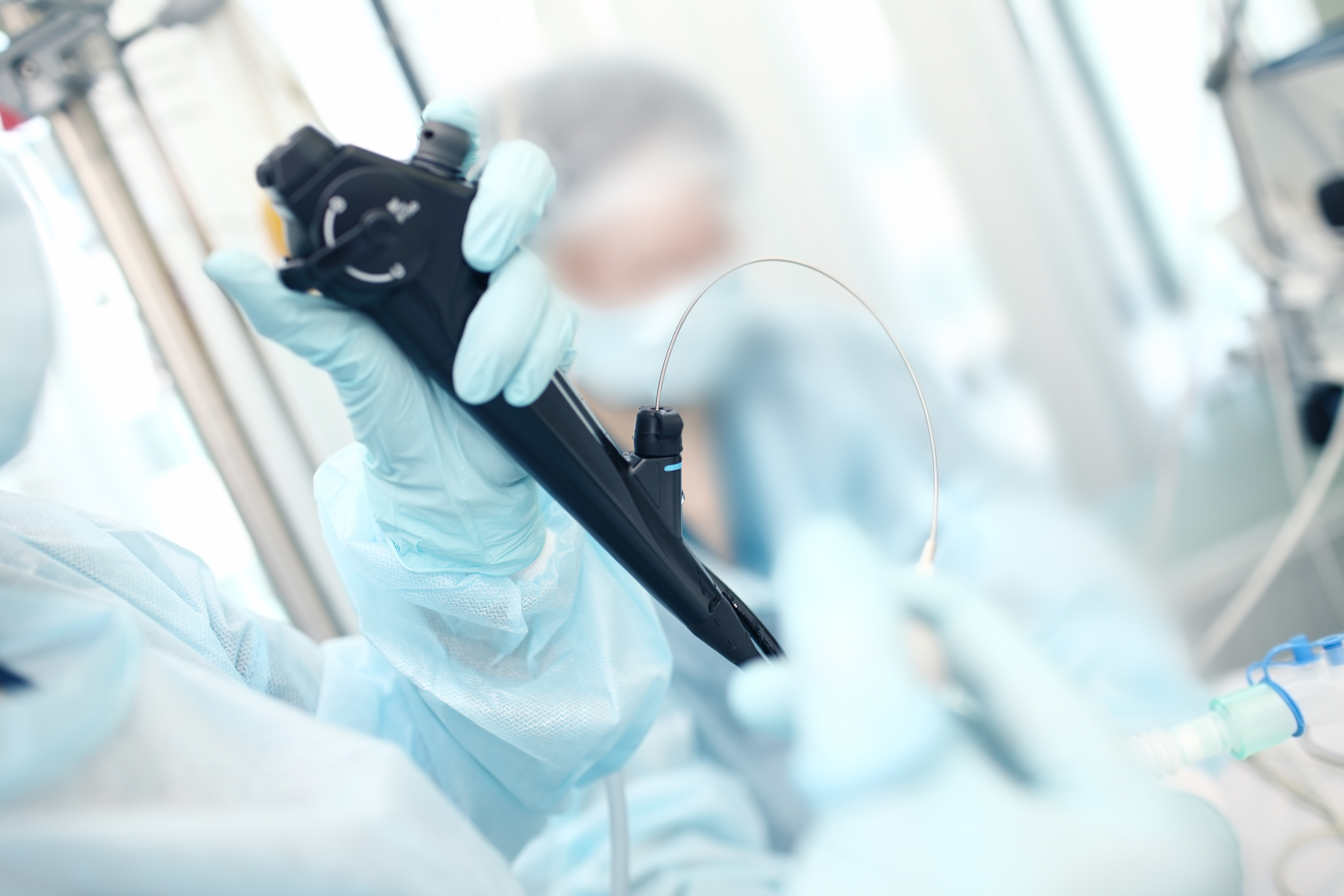
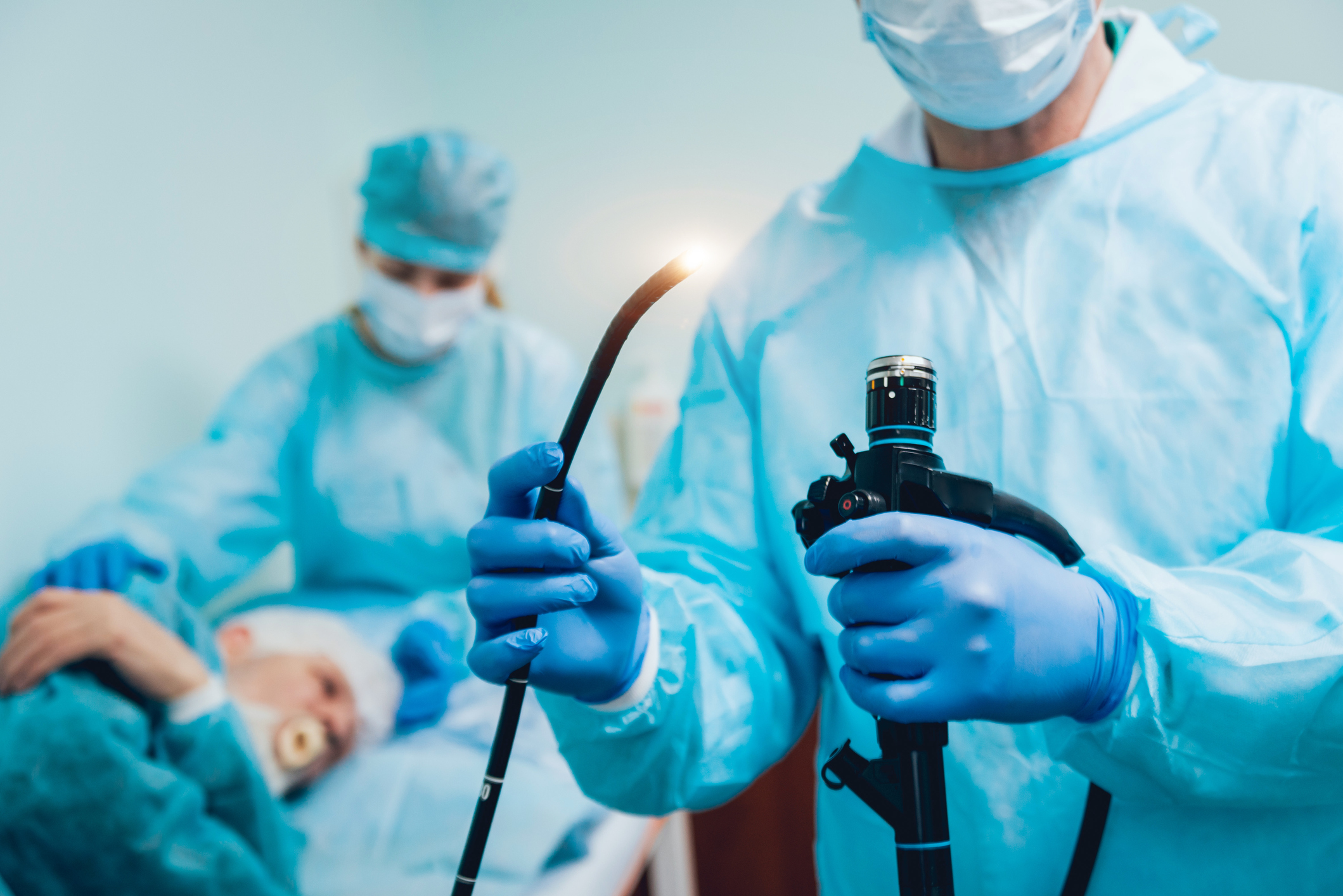
Endoscopic spine surgery treats the source of neck, back and leg pain through an incision small enough that no muscle is stripped, using an endoscope with a camera and micro-instruments. Most procedures are performed under local anesthesia with sedation, take one to two hours, and the patient goes home the same day. Compared with open laminectomy, microdiscectomy or fusion, the approach spares muscle and bone, which shortens recovery, though suitability depends on the condition and the spinal level involved. It is used for herniated discs, foraminal stenosis, facet pain and pain persisting after earlier surgery. Spine Institute of North America (Spine INA) in East Brunswick, New Jersey performs these procedures on an outpatient basis.
Endoscopic Spine Procedure Overview
Our physicians at The Spine INA have taken the time outside their busy schedules to travel and train with some of the most innovative thought leaders in minimally invasive spine surgery. Our physicians now offer the most innovative and least-invasive spine procedures that address everyday painful conditions that affect patients.
One such innovative solution is endoscopic spine procedures. These new procedures allow the physician to use an endoscope during the procedure to address the pain generator that is the root cause of neck, back, and leg pain. The physician can use many micro-instruments such as a laser or a radiofrequency ablation tool to selectively decompress or ablate the pain generator.
When a patient needs relief from a herniated, protruded, extruded, bulging disc or disc tear that’s compressing and irritating the spinal nerves, endoscopic spine procedures are the least-invasive surgical option available. Instead of turning to traditional or even minimally-invasive spinal surgery methods, such as a laminectomy, microdiscectomy, or spinal fusion, patients should explore the least-invasive option. Endoscopic spine surgery can help relieve pain in the back and legs, addressing painful conditions without the many potential complications and long recovery times associated with traditional surgical methods.